





 01
01Land the repository
Paste a public GitHub URL. Tourist reads the default branch, keeps source, docs, and config, and drops images and generated assets off the map. Folders become sectors; the grid is the real tree.
 TOURISTWalk this island
CLOUD CODING, DRAWN AS A CITY
Connect a GitHub repo, bring a key, describe the work. Agents inspect, patch, test, and open a pull request in the cloud — the way Claude Code or Codex would, except you can watch the crew walk the files, and they keep going after you close the laptop.


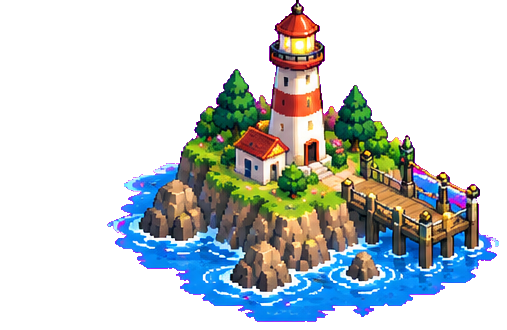
HOW A REPO BECOMES AN ISLAND
Tourist is not another chat box around a model. It is a persistent cloud engineering organization: you bring a repository and an API key, give a task in plain language, and agents inspect, plan, edit, test, and open a pull request — while the city shows you where they went.
01Paste a public GitHub URL. Tourist reads the default branch, keeps source, docs, and config, and drops images and generated assets off the map. Folders become sectors; the grid is the real tree.
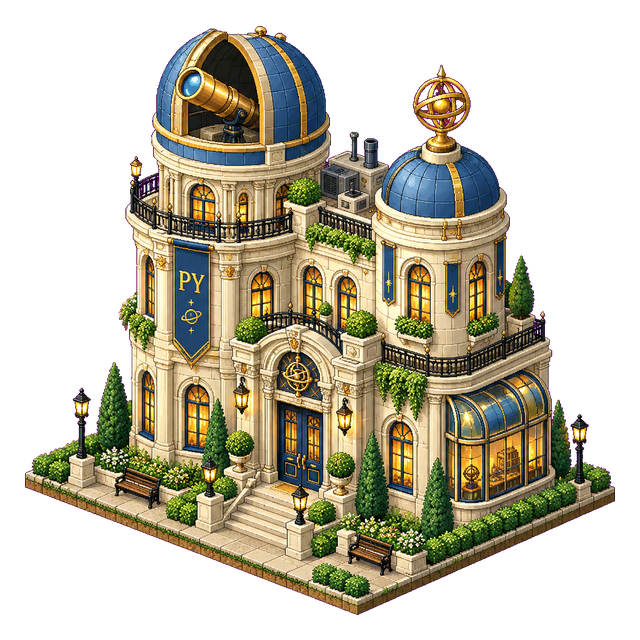
Each kept file gets a building from its type. TypeScript raises a headquarters. Python opens a workshop. Markdown keeps a library. Click a plot and you are inspecting the file, not a decoration.
 03
03Describe a change the way you would to Codex or Claude Code. A supervisor retrieves memory, picks an agent layout, and runs the job in a cloud sandbox — not on your laptop.
WHAT YOU CAN ALREADY SEE
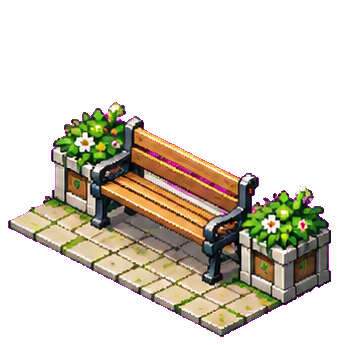
The city behind the prompt is this codebase, mapped for real. Streets follow the block grid. Cars turn at junctions. Ships circle the coast and pause at the harbor. Clouds take the long way around. Town hall already fields a builder crew. That motion is situational awareness in miniature — later it will track actual jobs, not only atmosphere.
Cars stay on the streets, pick turns at junctions, and face the way they drive. No vanish at the end of a road, no teleport back to the start.
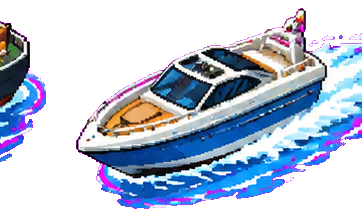
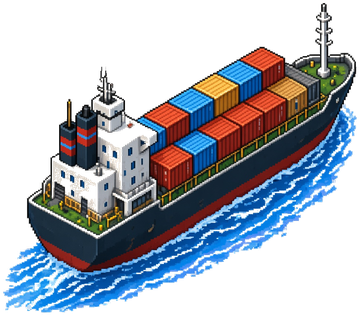
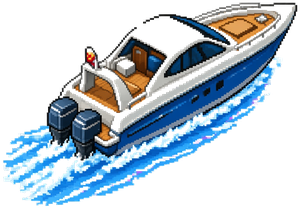
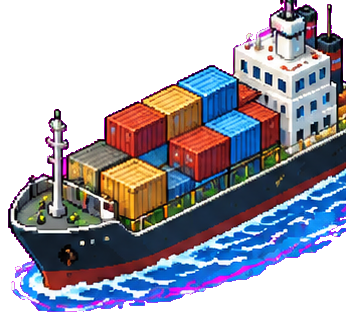
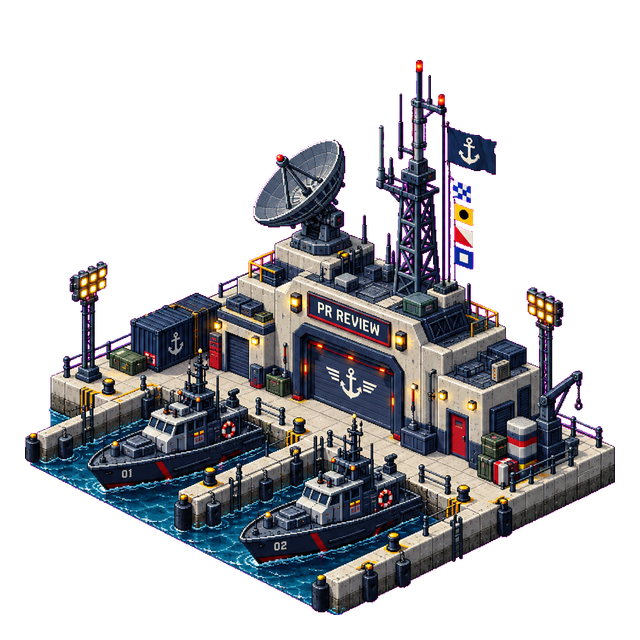
Cargo and boats loop the water, dock at Skill harbor and the review navy, then head out again — the same ports GitHub work will use.
Clouds orbit on curved routes, not a straight scroll. They bob, they take their time, they stay part of the weather instead of a sticker.

When a file is being edited, builders leave the plaza and walk that plot. Clash of Clans, except the building is your source file.
CLOUD CODING YOU CAN WATCH Coming soon
You already know the loop from Claude Code or Codex: inspect the repo, write the patch, run tests, fix the fallout, open a PR. Tourist does that in isolated cloud sandboxes with Git, runtimes, and search already inside. The difference is the village: every time a file is touched, builders walk out to that plot and work on it, Clash of Clans style. Close the laptop. The crew keeps walking.
Enter a cloud run ID to watch the agent work.
MEMORY AND REINFORCEMENT Coming soon
Session-oriented agents forget the architecture, the failed approach, and how you like a PR cut. Tourist keeps scoped memory, pulls only the context a task needs, and treats tests, CI, latency, tokens, reversions, and your feedback as rewards — so the next topology, tool, and context pack get a little less wasteful.
THE BUILDING CODE
Architecture is authored once per file type, then instanced across the island. Sectors are top-level folders. Blocks are the directory grid. The skyline is a catalog — workshops, halls, institutes — keyed to extensions you already know, not a random pack of towers.
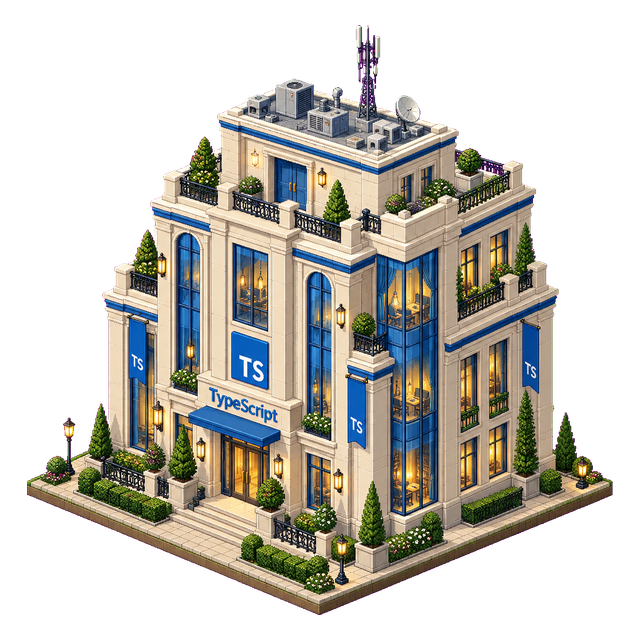 Blue headquarters.tsPython observatory.py
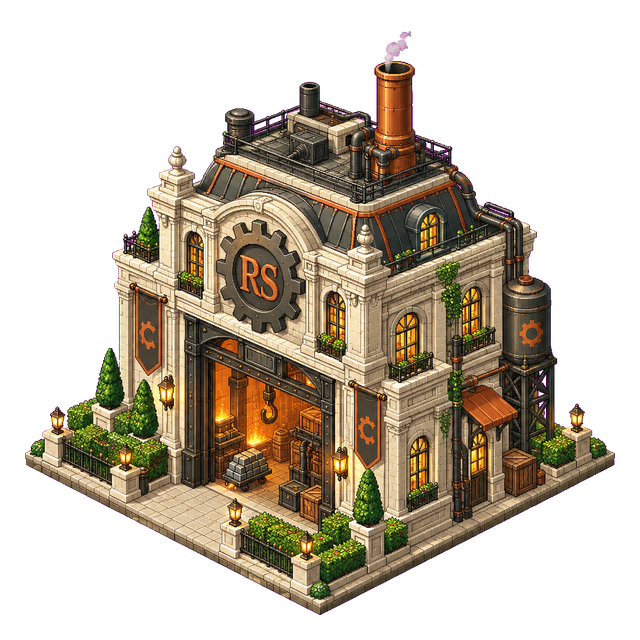 Precision foundry.rs
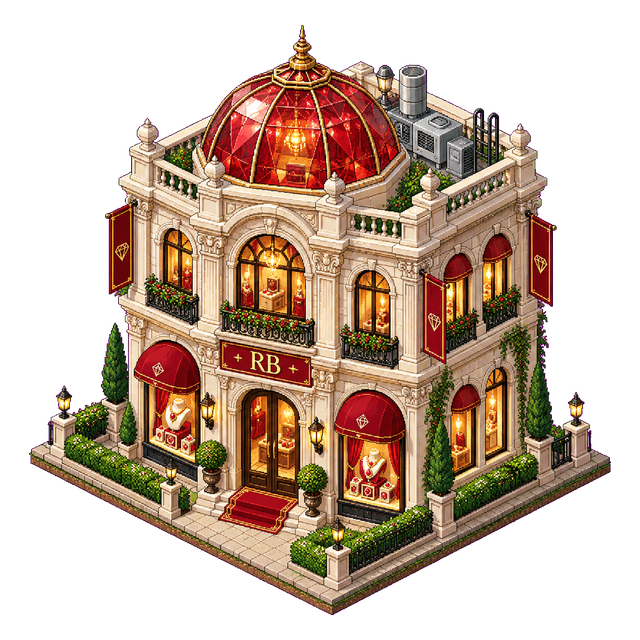 Gem atelier.rb
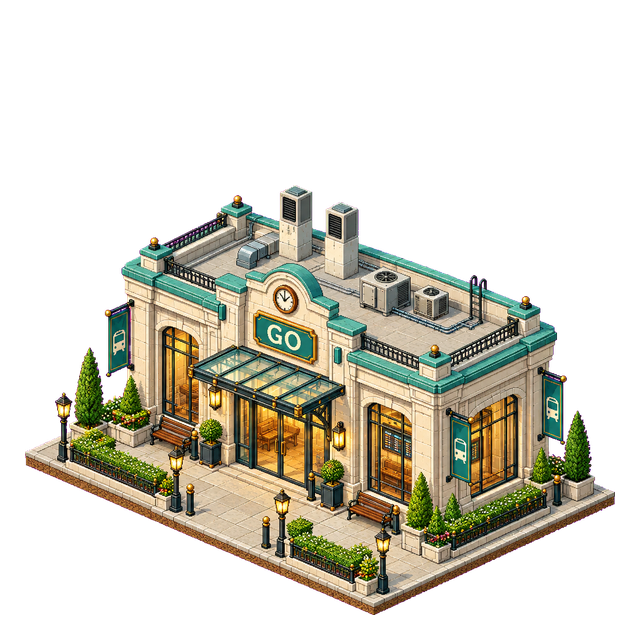 Dispatch station.go
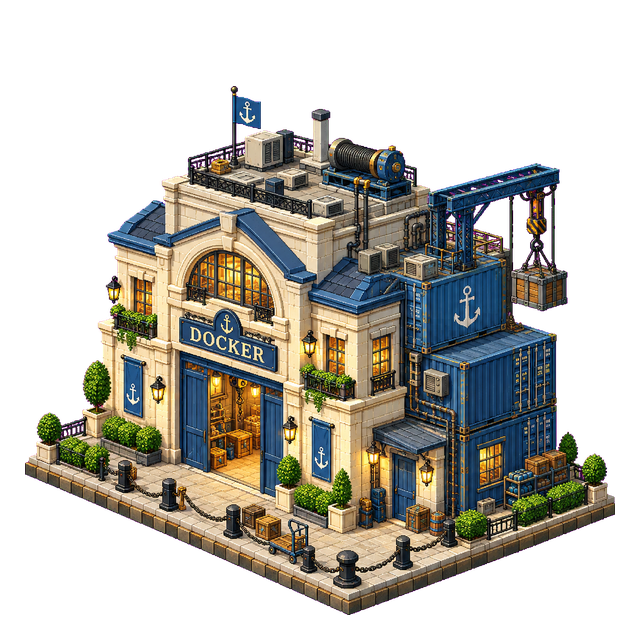 Container workshopDockerfile
CIVIC GROUNDS
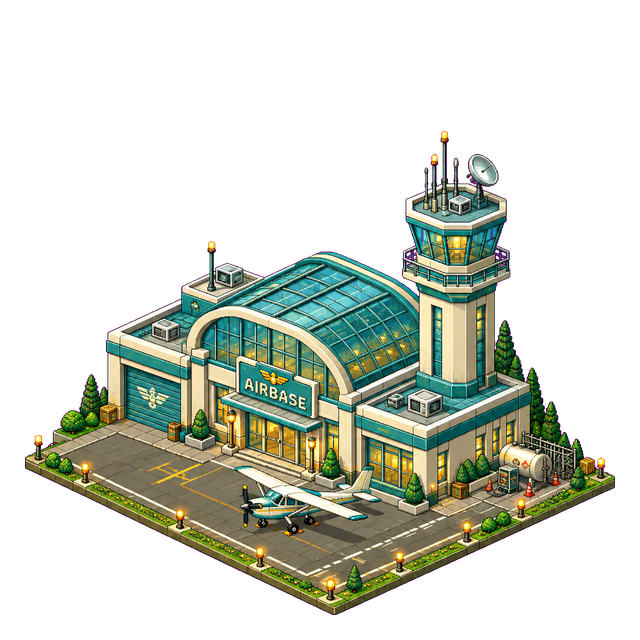
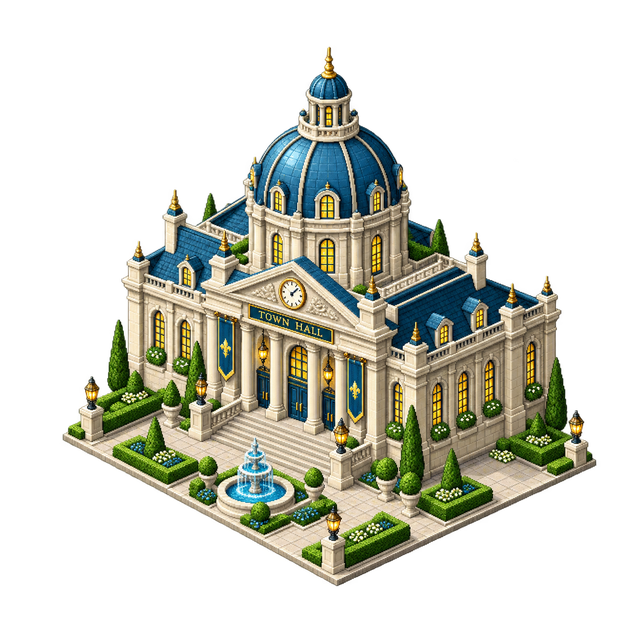
Landmarks are the operations layer. The airbase is where a repository arrives. The skill harbor is the workshop where agents invent missing tools, test them, and register them for next time. Dedicated test facilities light up when the suite runs. The review navy is pull-request traffic. Town hall is command — the place you send work from, and where idle builders wait until a file needs them.
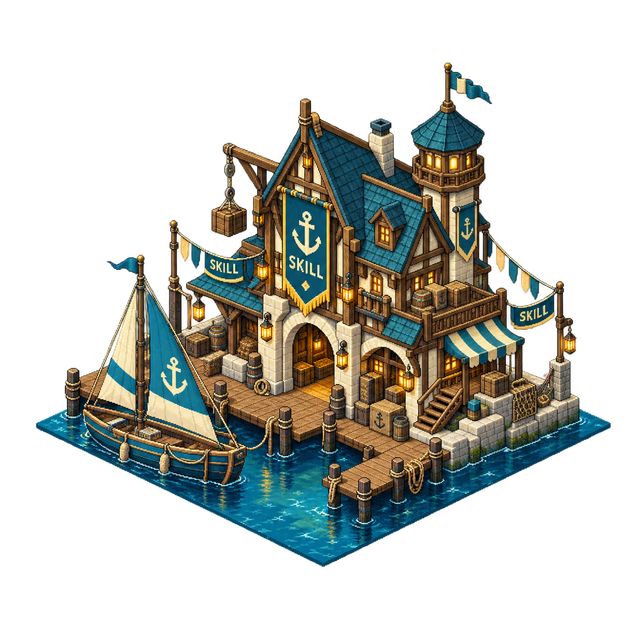
The island behind you is Tourist’s own tree. Next: paste yours, bring an OpenAI key when the agents are live, and leave a crew that keeps building after you log off.